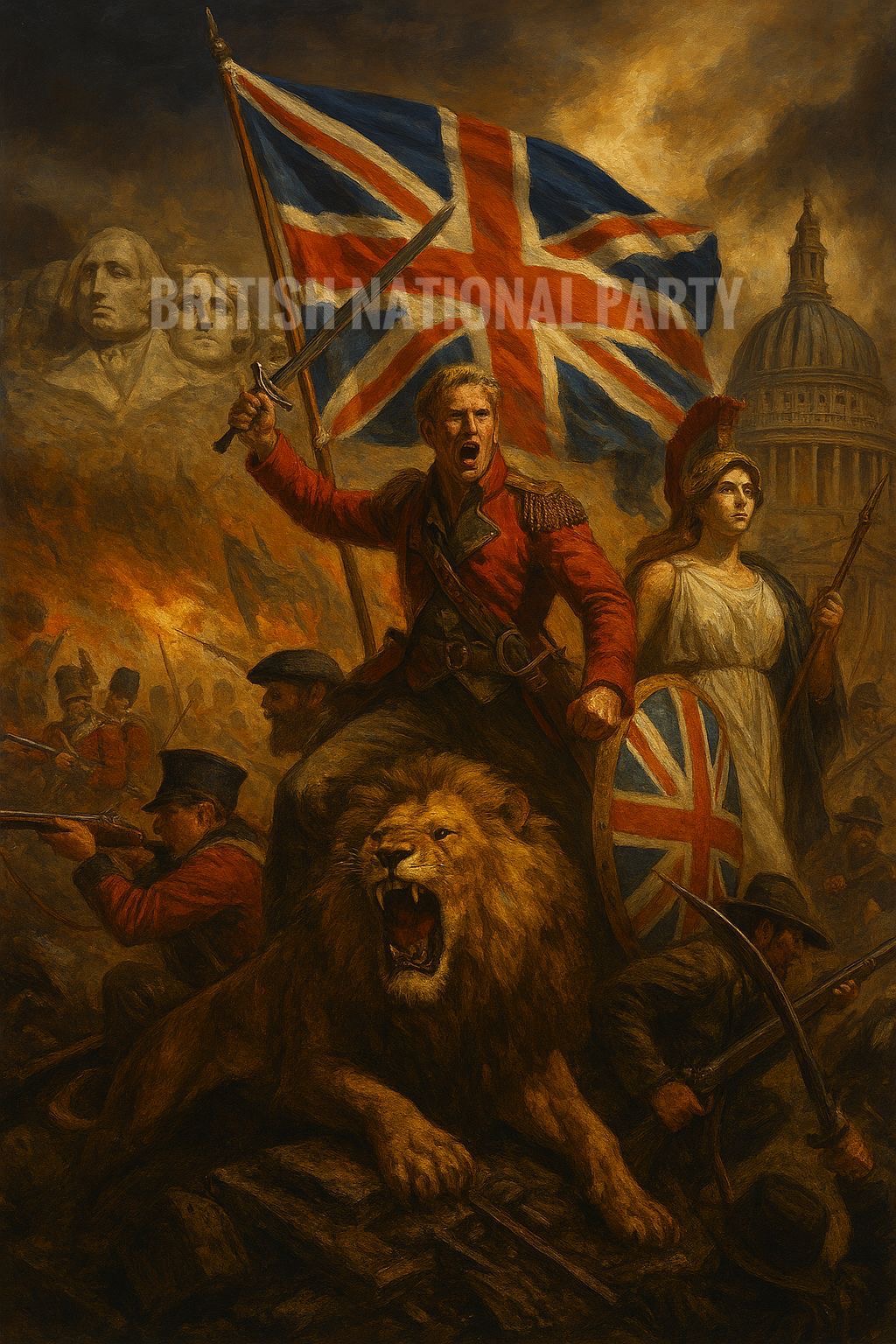
The Importance of British Culture and Heritage
British culture stands as a testament to centuries of history, innovation, and resilience. From the grandeur of its literary legacy to the everyday rituals that bind communities, British heritage offers a sense of belonging and continuity. In an era marked by rapid global change, the safeguarding of this unique cultural fabric is not
merely a matter of nostalgia but a vital endeavour for national identity, social harmony, and collective progress.
The Richness of British Heritage
Britain’s cultural wealth is woven from a vibrant tapestry of historical milestones, enduring traditions, and core values. Landmarks such as Stonehenge and Westminster Abbey echo with stories of the past, while literary giants like Shakespeare and Austen continue to inspire the world. Festivals, from Trooping the Colour to Bonfire Night, reflect a living tradition, passed down through generations.
These are complemented by values—fair play, stoicism, humour—that have shaped British society and its global reputation.
British heritage is also evident in the arts, music, culinary traditions, and the Englishlanguage itself, which has become a bridge across continents. The monarchy, parliamentary democracy, and the rule of law are pillars that have influenced governance far beyond Britain’s shores. This rich inheritance is not static; it evolves,
incorporating new influences while maintaining a distinct identity.
Challenges Facing British Culture
Despite its strengths, British culture faces significant pressures in the 21st century. Globalisation has brought increased cultural exchange, sometimes at the expense of
local traditions. Migration, can present challenges in balancing integration with the preservation of established customs. Cultural relativism and the proliferation of digital media have contributed to a more fragmented sense of identity, where universal values may sometimes be overshadowed by individual preferences. Examples of these challenges are visible in the decline of traditional high street shops, the fading of regional dialects, and the reduced prominence of historic commemorations. The rise of international franchises and online entertainment often
competes with local art forms and community events, weakening the communal bonds that underpin British culture. Arguments for Preserving British Culture
Defending and preserving British culture is not an exercise in exclusion, but a commitment to maintaining a shared heritage for future generations. The case for
preservation rests on several pillars: Cultural Identity: A strong cultural identity gives people a sense of place and belonging. It fosters pride and continuity, helping individuals understand their
roots and values.
Economic Value: Heritage tourism, traditional crafts, and creative industries contribute significantly to the British economy. Landmarks and cultural events attract millions of visitors each year, supporting jobs and local businesses.
Educational Benefit: Learning about British history and culture enriches education, instilling critical thinking and respect for diversity. It enables young people to appreciate the achievements and lessons of the past.
British Cultural Traditions
Afternoon Tea
Afternoon Tea is a quintessentially British ritual that originated in the 19th century. Typically served between 15:00 and 17:00, it consists of a pot of tea accompanied by an array of scones, finger sandwiches, and delicate pastries. This tradition epitomises British elegance and hospitality, often enjoyed in hotels, tearooms, and homes across the country.
Changing of the Guard
The Changing of the Guard at Buckingham Palace is one of the most iconic royal ceremonies in Britain. It involves the formal handover of duties between the Kings Guard, marked by precision marching, colourful uniforms, and stirring music.Thousands of visitors gather to witness this spectacle, which symbolises thecontinuity and pageantry of the monarchy.
Trooping the Colour
Trooping the Colour is an annual military parade held in London to celebrate the official birthday of the monarch. Featuring regiments of the British Army, vibrant flags, and impressive horsemanship, the event is a display of military tradition and national pride, broadcast to millions both in the UK and abroad.
Bonfire Night (Guy Fawkes Night)
Every 5th November, Britons commemorate the failed Gunpowder Plot of 1605—when Guy Fawkes attempted to blow up the Houses of Parliament—with fireworks and bonfires. Effigies of Guy Fawkes are often burned, and communities gather to enjoy the spectacle, marking this unique blend of historical remembrance and public revelry.
Cheese Rolling
Held annually on Cooper’s Hill in Gloucestershire, Cheese Rolling is a quirky and exhilarating event where participants chase a large wheel of cheese down a steep hill. Though chaotic and sometimes hazardous, it draws competitors and spectators from around the world, highlighting British eccentricity and local spirit.
Morris Dancing
Morris Dancing is a traditional English folk dance featuring dancers adorned with bells, wielding sticks and handkerchiefs. Often performed at festivals and village fairs, Morris Dancing is accompanied by lively music and is a vibrant celebration of rural heritage and community.
Sunday Roast
The Sunday Roast is a cherished family meal, typically enjoyed on Sundays across the UK. It features roasted meat—such as beef, lamb, or chicken—served with roast potatoes, vegetables, gravy, and Yorkshire pudding. This hearty tradition is central to British weekends and family gatherings.
Pancake Day (Shrove Tuesday)
Pancake Day, also known as Shrove Tuesday, marks the day before Lent begins. Britons celebrate by making and eating pancakes, and many towns host pancake races, where participants flip pancakes in frying pans while running. It’s a fun and delicious way to embrace the festive spirit before the solemnity of Lent.
Remembrance Day
Remembrance Day is observed on 11th November to honour the soldiers who lost their lives in conflict, particularly in the World Wars. The wearing of red poppies is a powerful symbol of remembrance, and ceremonies take place across the nation, including a two-minute silence at 11:00, to pay respects to the fallen.
Conclusion
British cultural traditions are diverse and deeply rooted in history. They bring people together, celebrate shared values, and offer a window into the unique character of the nation. Whether enjoying afternoon tea or commemorating Remembrance Day, these customs continue to enrich British society and captivate people around the world.
The British National Party remains the ONLY political party committed to ending Mass Immigration and the politicians’ Population Replacement agenda.
The BNP relies on your support to fight the political corruption in Britain and put the British people first every time.

If, for any reason, you are unable to join a political party, you can do your bit today by donating over the phone by calling 0757 254 8669 or donating online here.